An Imperfect Welcome
Jonah’s story leaves us with a question it refuses to resolve.
What happens when God’s mercy outruns our categories?
What happens when transformation is required, but restoration is what we want?
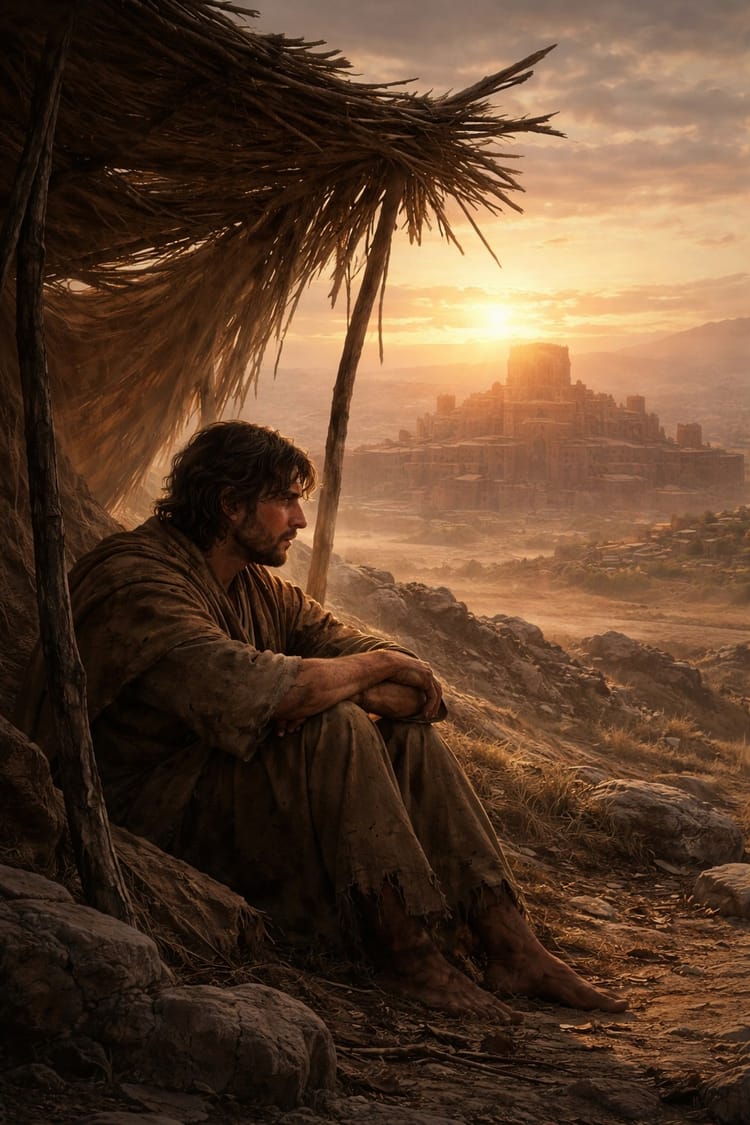
Jonah survives his descent. He delivers his message and even witnesses’ repentance on a scale most prophets never see. And still, the story ends later, east of the city, not with celebration, but with exposure. Jonah is alive, obedient, and unsettled. He knows God’s character intimately yet struggles to recognize himself in it.
That unresolved tension does not disappear from Scripture, it expands. Where Jonah wrestles with mercy at the scale of a single prophet, the post-exilic prophets confront it at the scale of a nation. The same question resurfaces, only louder:
- What if returning home is not the same as becoming whole?
Zechariah: Restoration Meets Resistance
The book of Zechariah speaks to people who have survived catastrophe and returned to familiar ground, but not to a familiar meaning. The temple is being rebuilt. The city is repopulated and all the outward signs of restoration are present. However, Zechariah refuses to let the people believe that rebuilding structures will automatically restore clarity.
Instead, Zechariah redefines what they are waiting for. He does not promise power regained, instead power reimagined. Not escalation, but subtraction. Not fortified dominance, but disarmed peace. Zechariah says the coming king will arrive, not mounted on a warhorse, but on a donkey, and the language does not soften with poetry, "Chariots will be cut off; warhorses removed; bows broken".
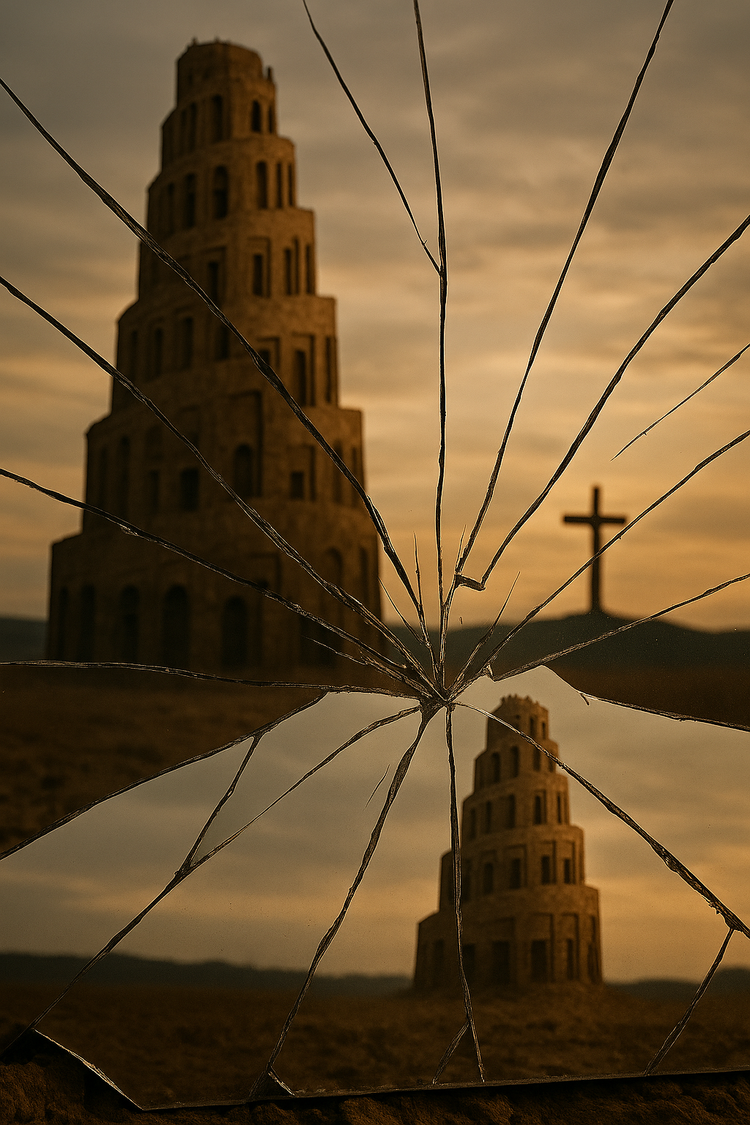
Peace, in Zechariah’s vision, is not the absence of conflict. It is the dismantling of the systems that rely on it. This is not restoration. It is transformation.
Fast forward to Palm Sunday, a day of recognition without understanding. Palm Sunday is what happens when Zechariah’s vision arrives intact and is still misread.
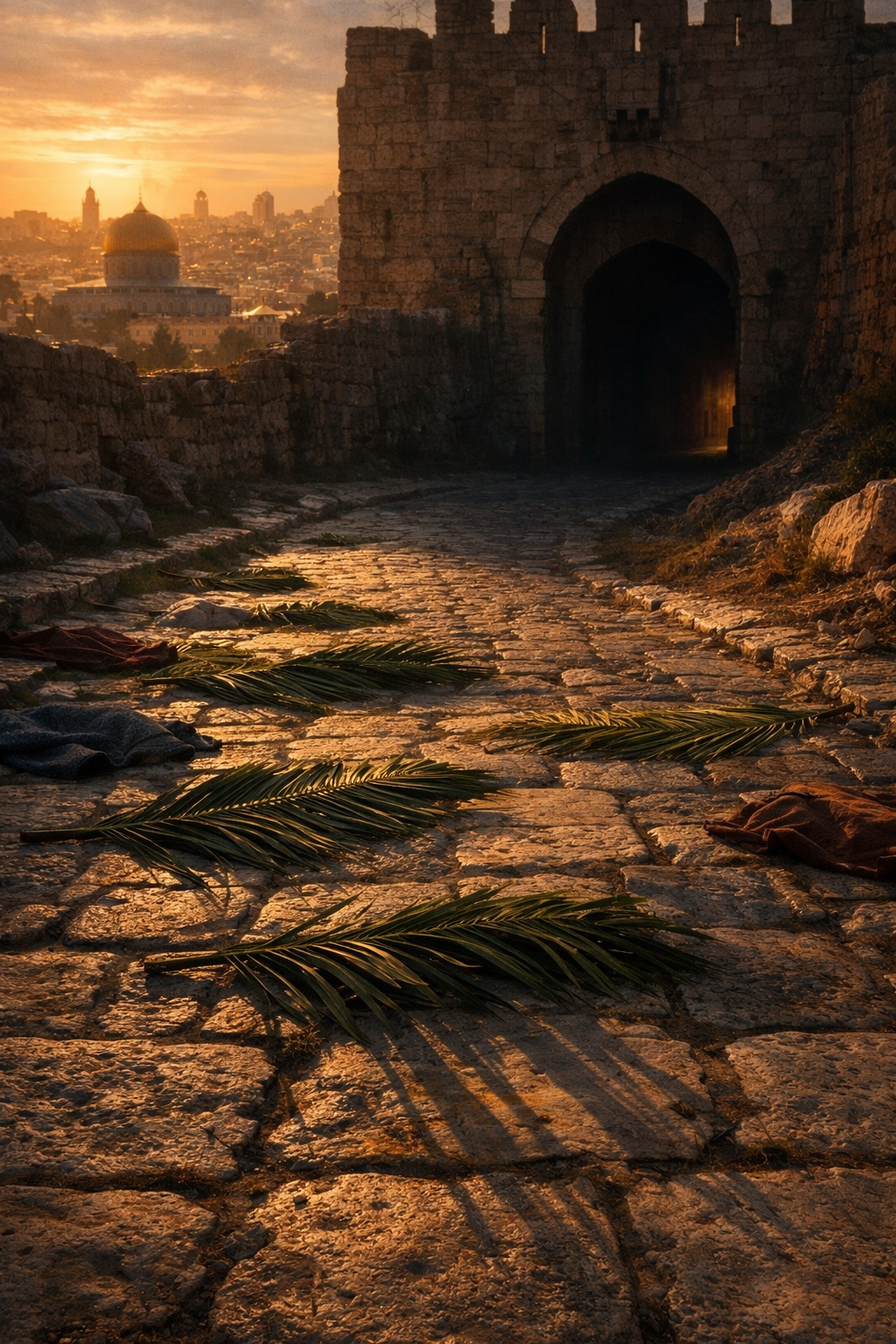
The crowd recognizes kingship immediately. They spread their cloaks. They shout praise and quote Scripture. None of this is false. But recognition does not equal understanding. The symbols are right; the direction is wrong.
Jesus does not correct the crowd. He accepts the procession. But as Luke records, he does something no one expects, he weeps.
He weeps not because he is rejected, but because he is "almost" recognized. Because the city celebrates what it thinks it sees, while missing what is actually being offered. The king has come, but the kind of king He is threatens the very expectations driving the praise.
This is Jonah’s tension, widened again.
- Mercy has arrived, but it does not resemble the restoration people imagined.
Where this leaves us as the readers of the stories….
Jonah ran because mercy disrupted his sense of justice.
The crowd celebrates because mercy appears to confirm their hopes.
Both misunderstand the cost.
Palm Sunday does not fail because the people are cruel or blind. It falters because transformation is harder to receive than restoration, especially when it dismantles the very structures we believe will save us.
The prophet sat east of the city, watching for judgment that never came.
The people gathered at the gates, cheering for a peace they did not yet understand.
And in both places, God’s question remains the same:
- What if the world you are hoping to restore is the very thing that must be transformed?
They welcomed Jesus as king, and in doing so revealed how deeply they still misunderstood peace.
Nothing in the scene is false. Their praise is sincere. The hope they sense is real. The Scriptures they invoke are not misquoted. Still, the meaning of what is happening outruns their understanding. A king has come, but not to restore what they have lost. He has come to dismantle what they believe will save them.
Jesus does not silence the crowd, He accepts the procession. But as the city swells with celebration, he weeps. Not because he is rejected, but because he is almost recognized. Because the distance between what is being praised and what is being offered is still wide enough to wound.
Palm branches fall while cloaks line the road. The entire city hums with expectation. And beneath it all, the deeper work remains undone, not the work of overthrow, but of perception.
The king enters Jerusalem fully present, fully welcomed, and fully misunderstood.
Soon, the cheers will fade and the city will quiet. Some who shouted will find themselves walking away, carrying hope they no longer know how to name, wondering where peace went when it failed to arrive as expected.
Recognition, it turns out, does not always arrive with celebration. Sometimes it comes later, on a quieter road, when certainty has been spent and only questions remain…